Dives
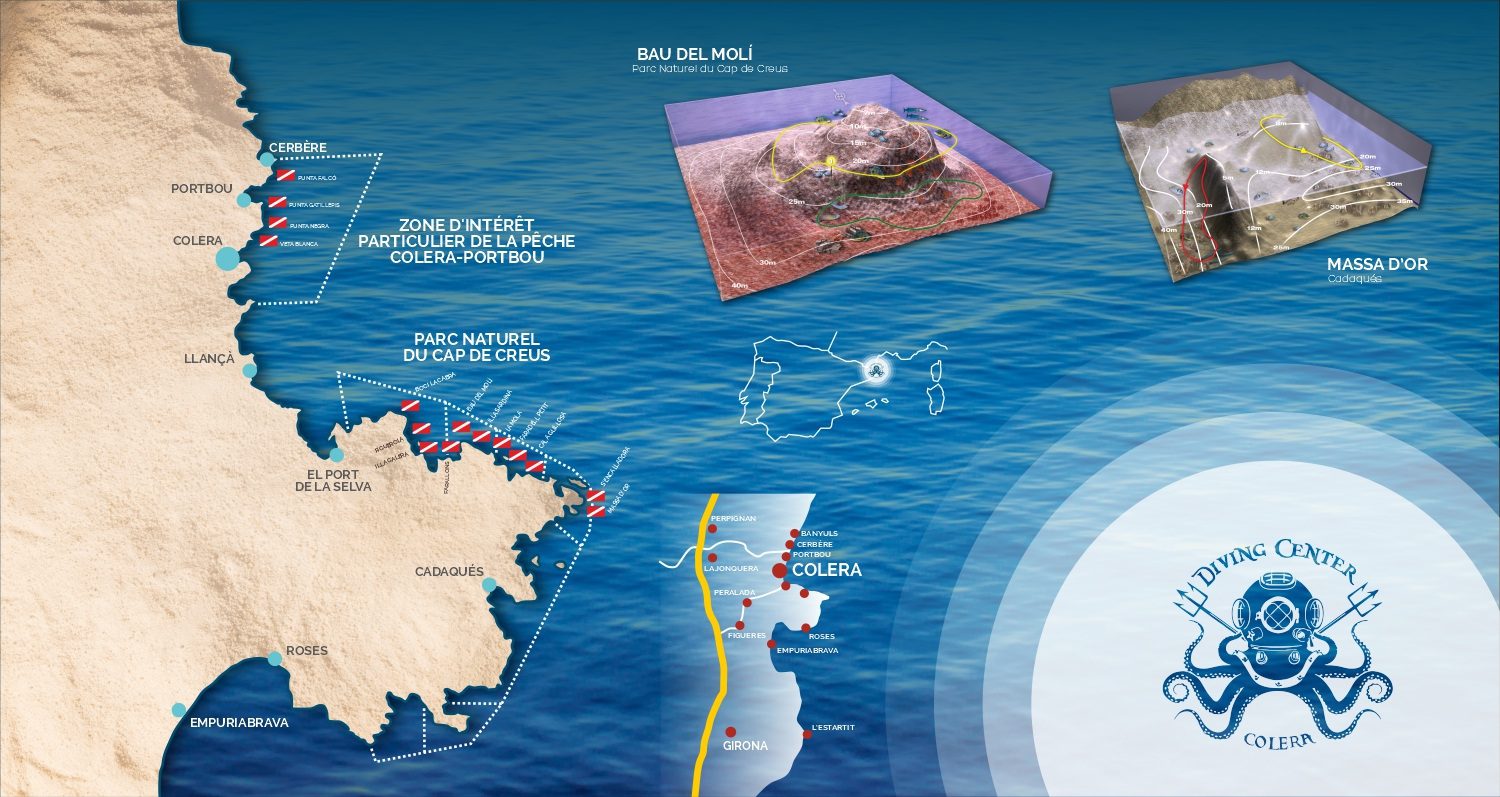
Cap de Creus Natural Park
The Cap de Creus Natural Park, created in 1998, is the first marine and terrestrial park in the country. It is located in the easternmost region of the Iberian Peninsula and occupies a maritime surface area of 3,073 hectares.
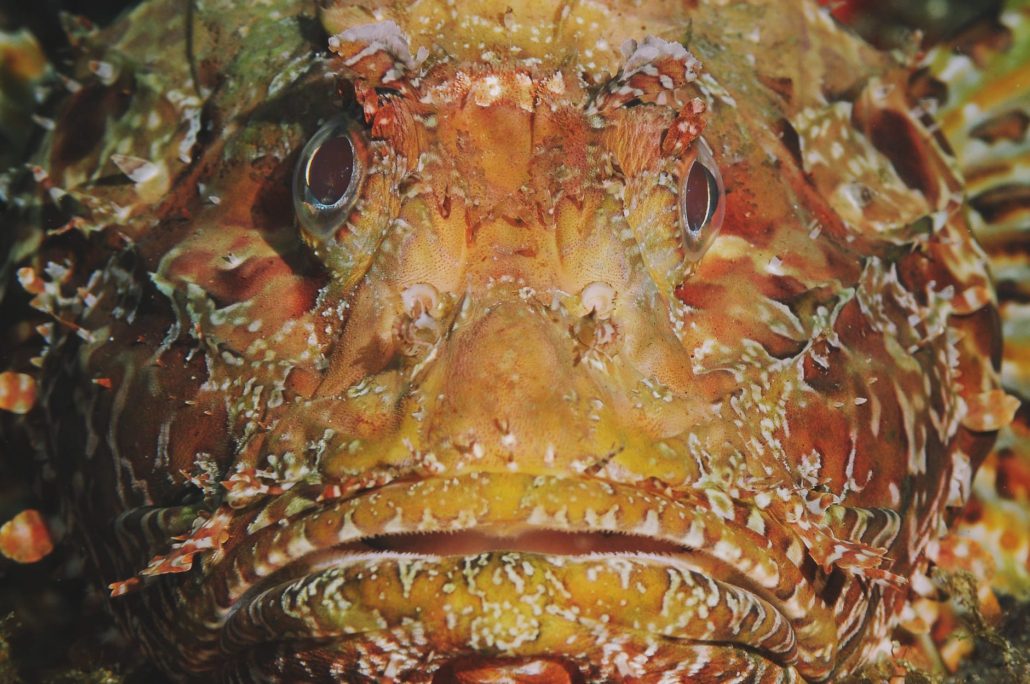
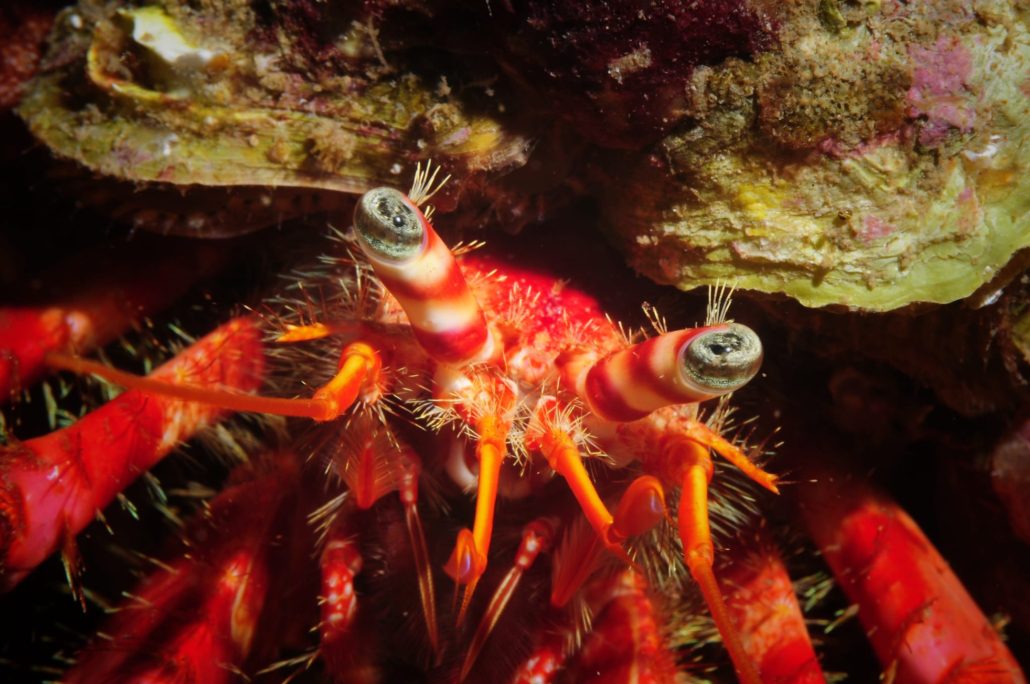
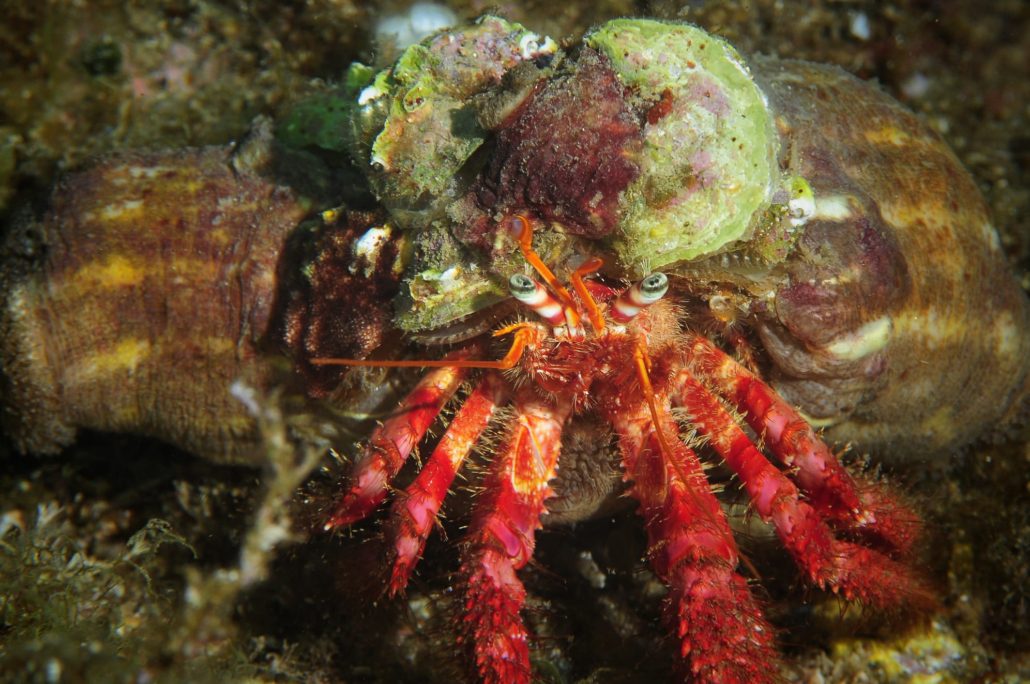
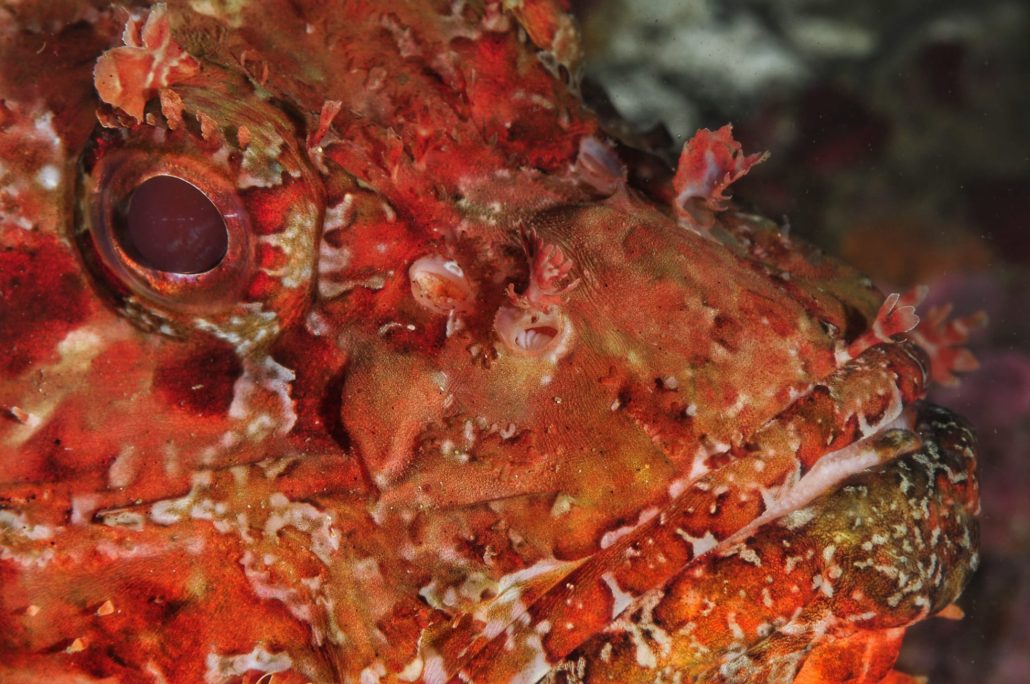
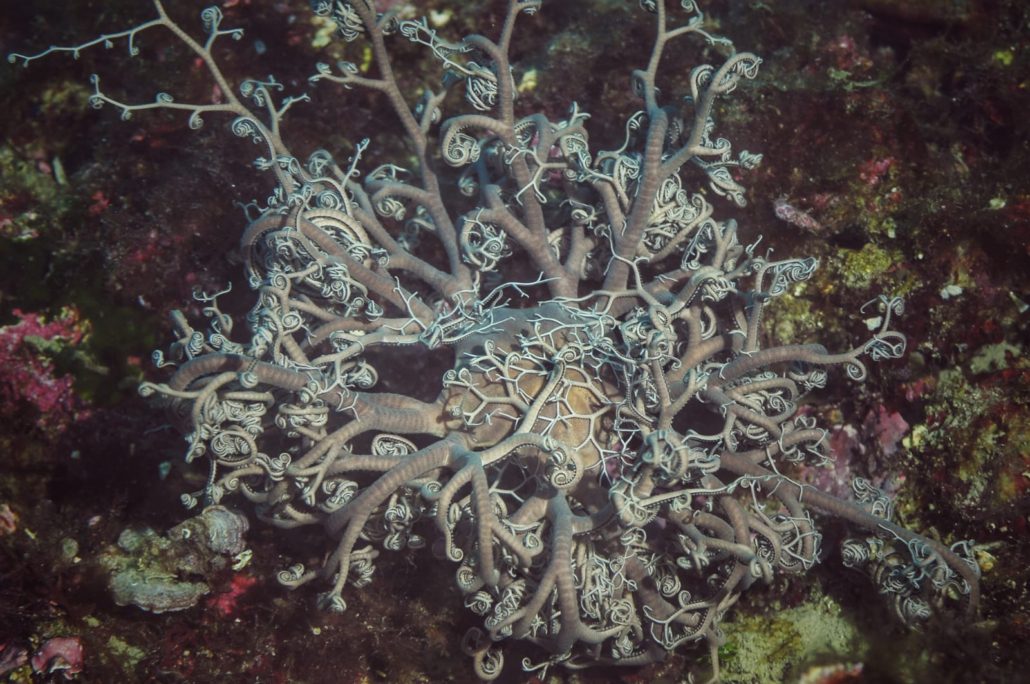
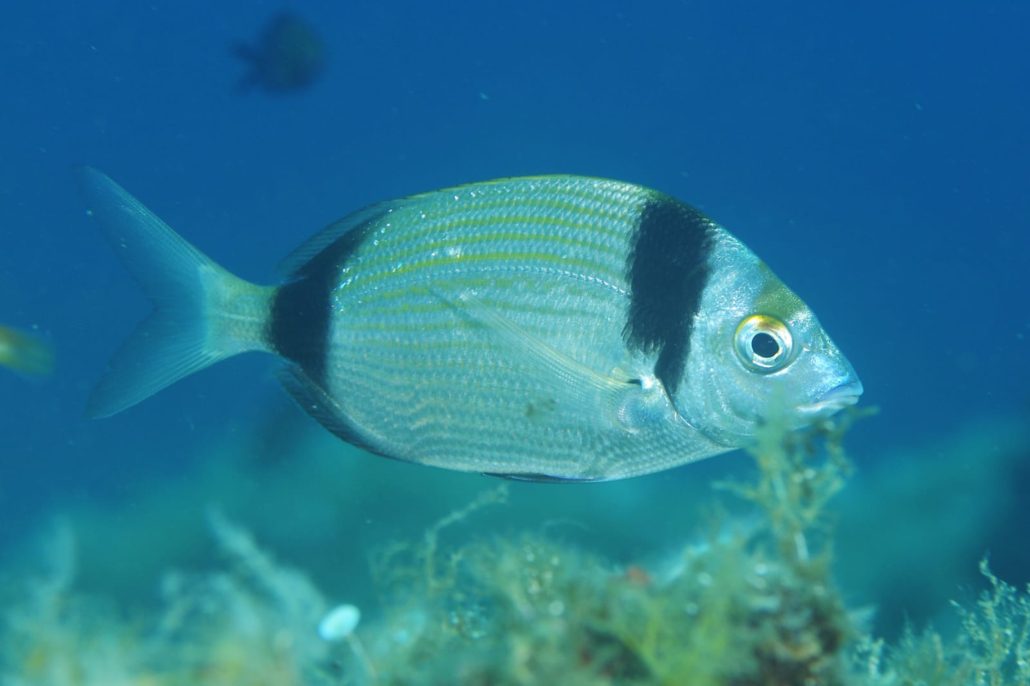
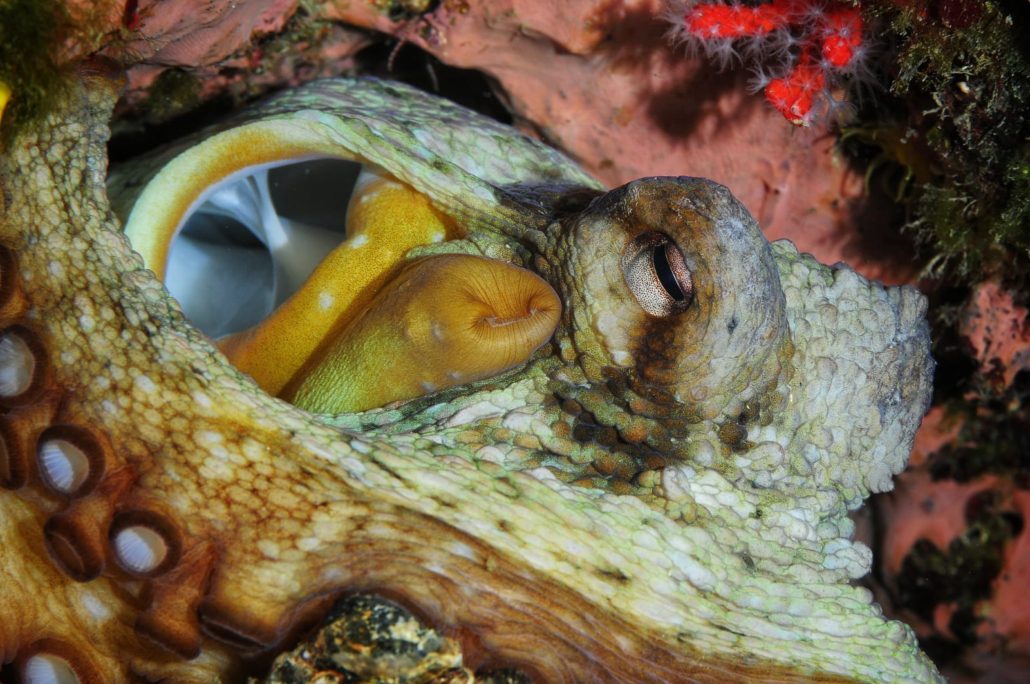
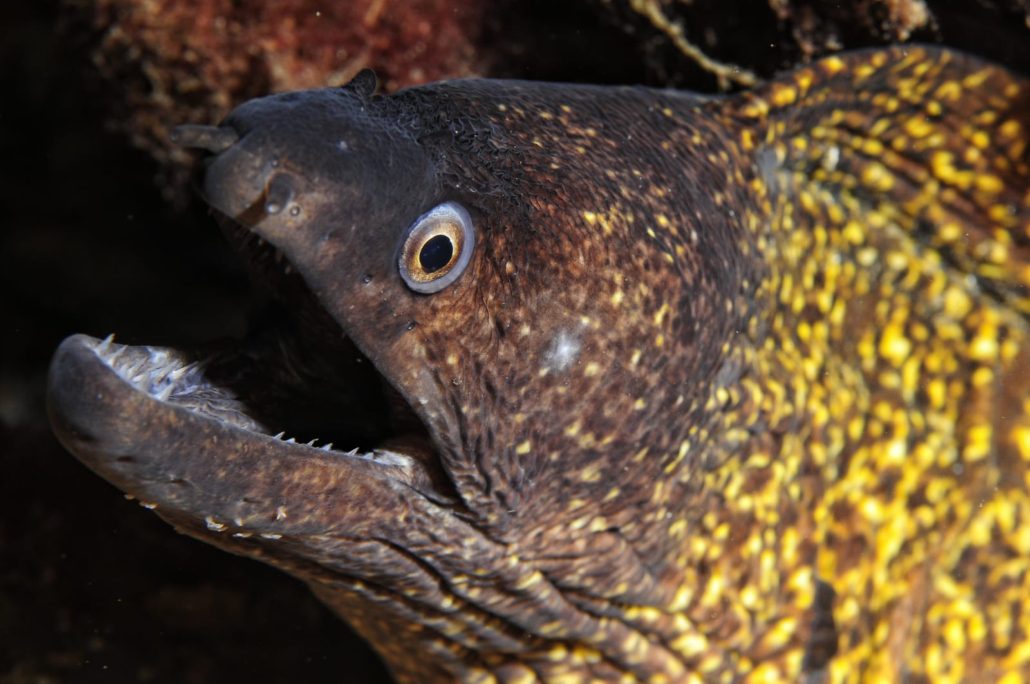
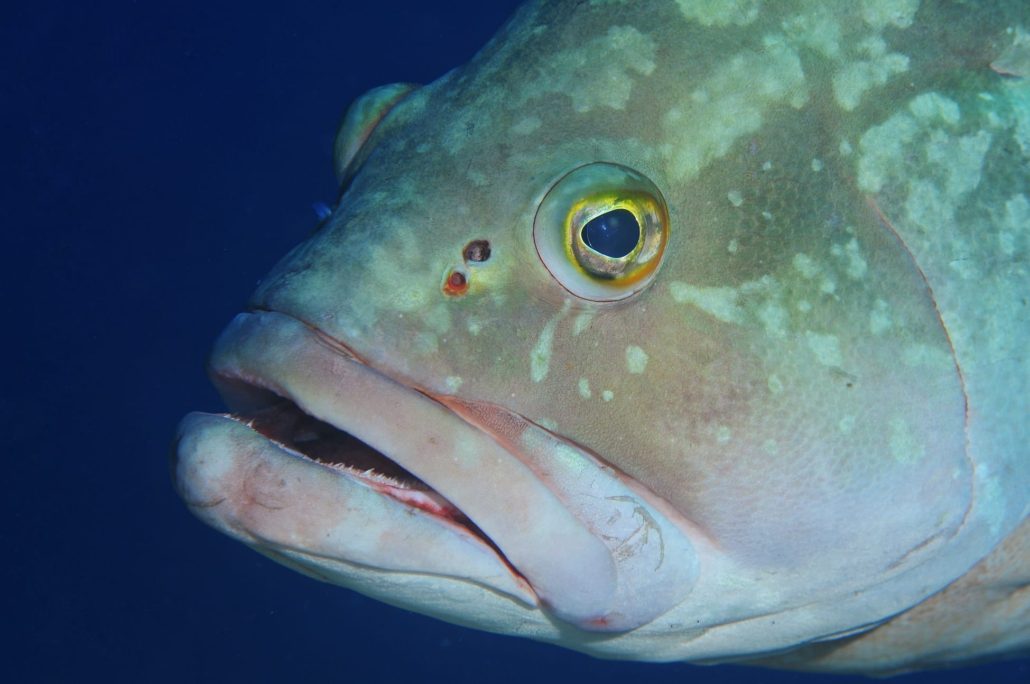
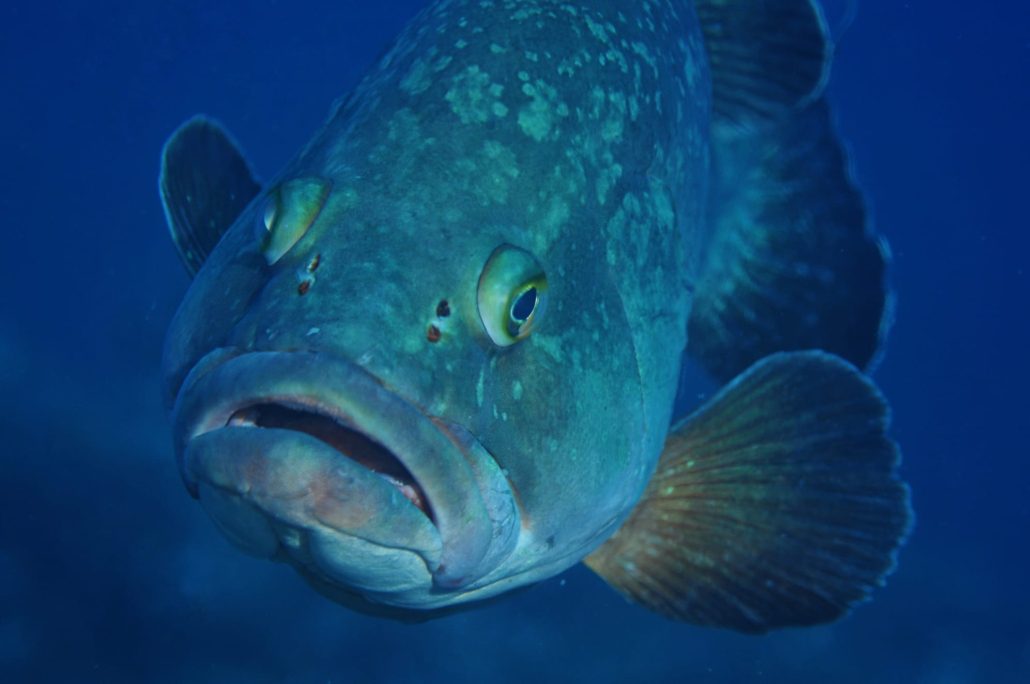
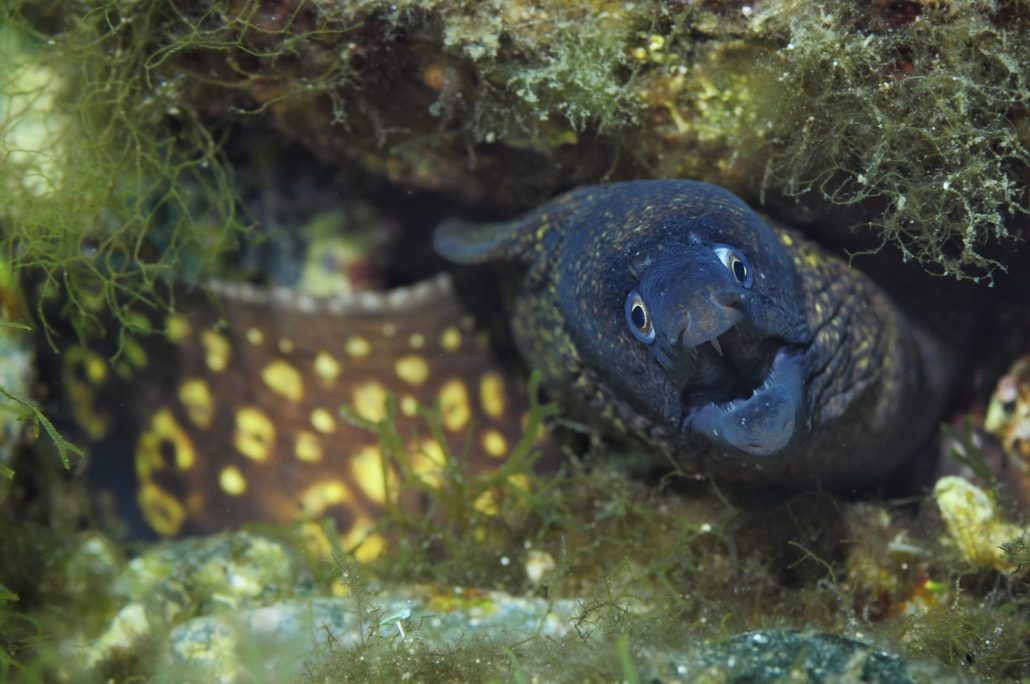
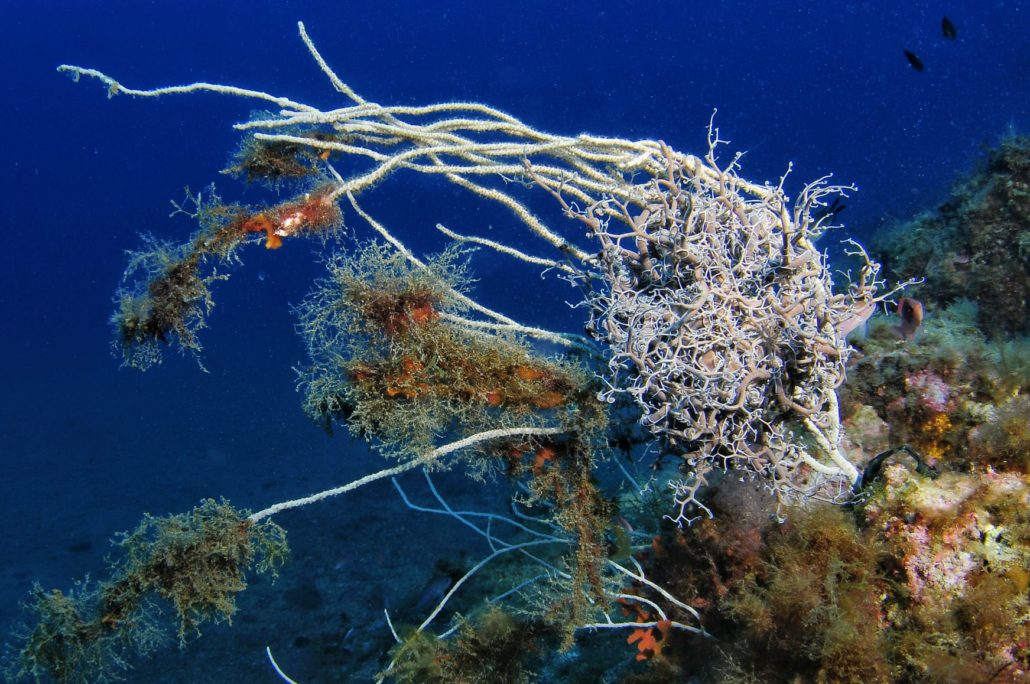
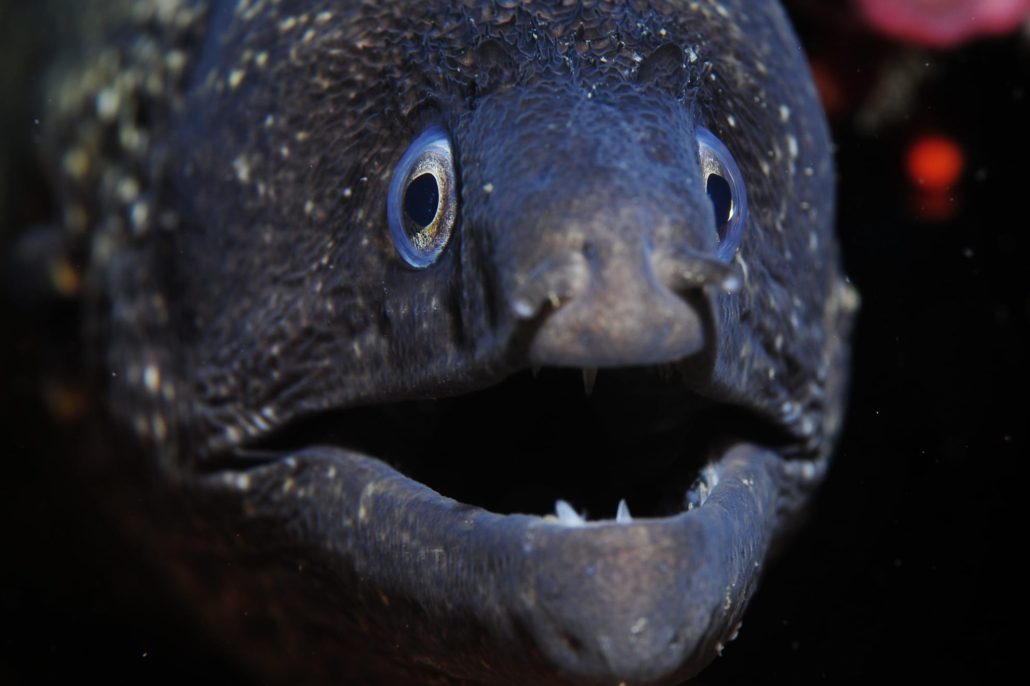
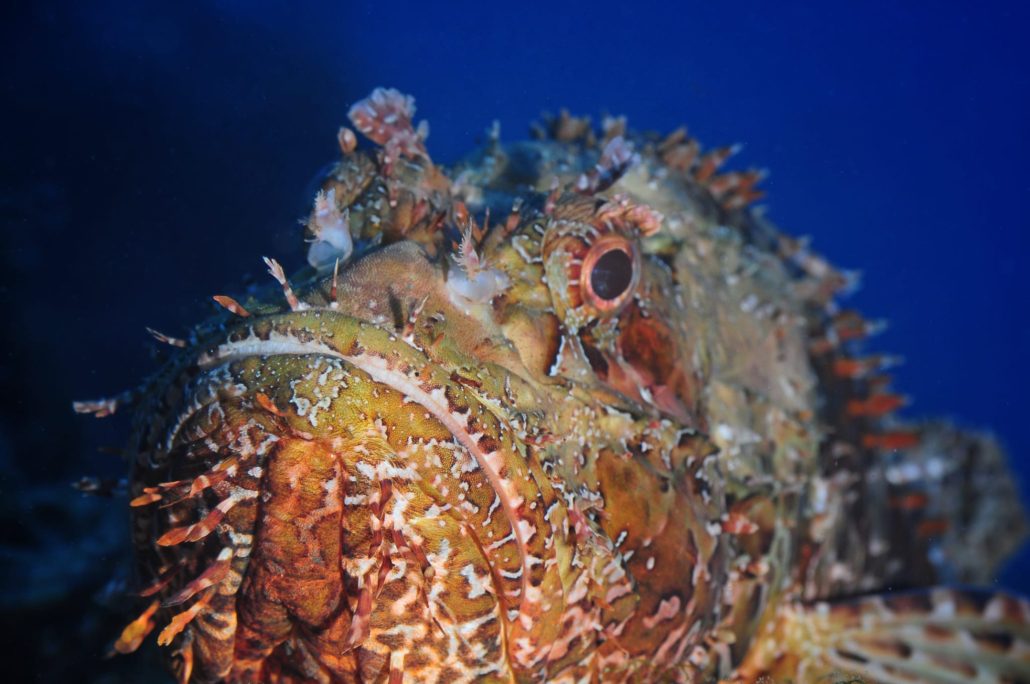
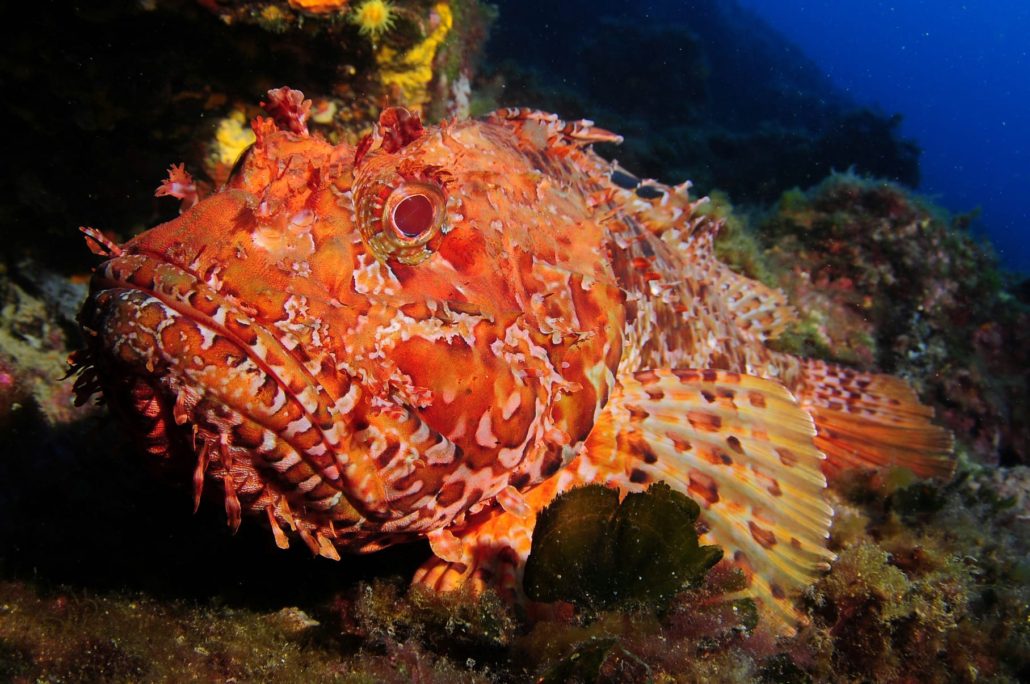
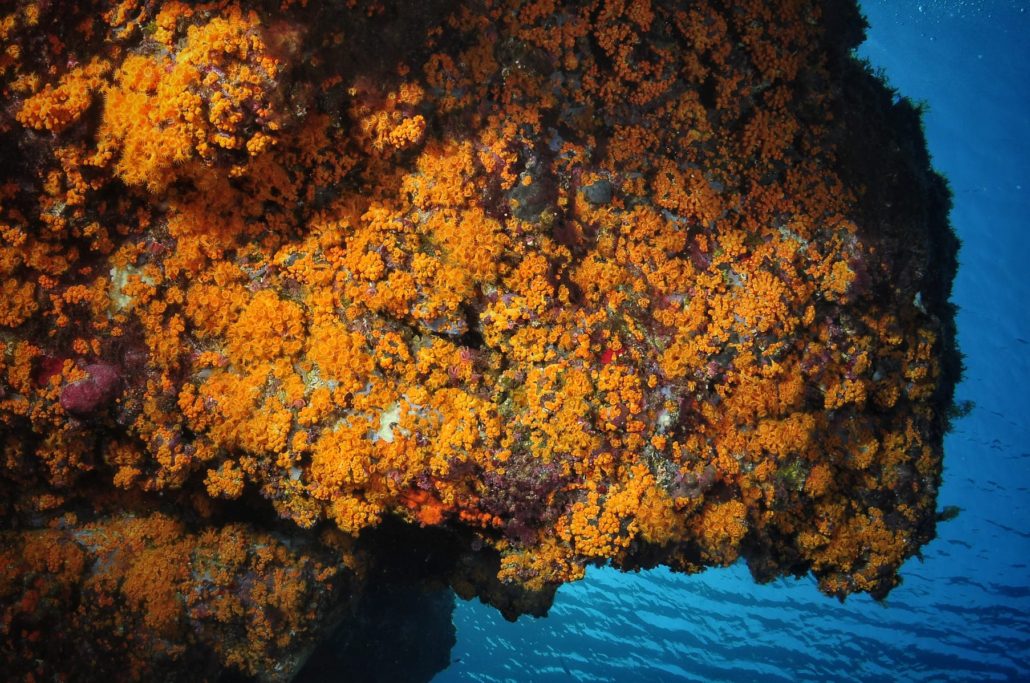
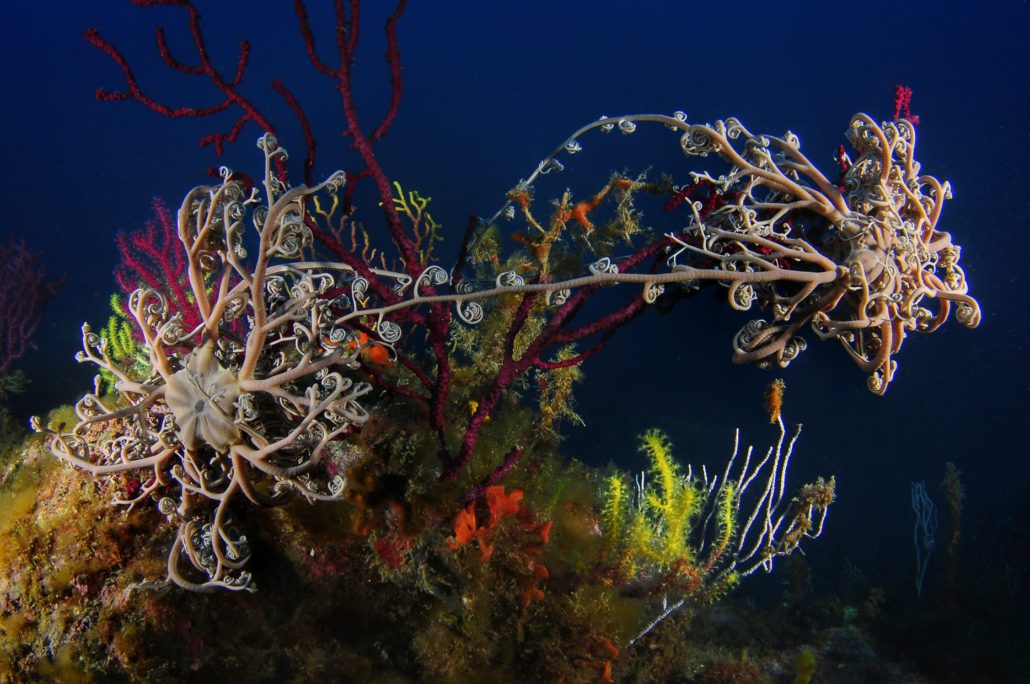
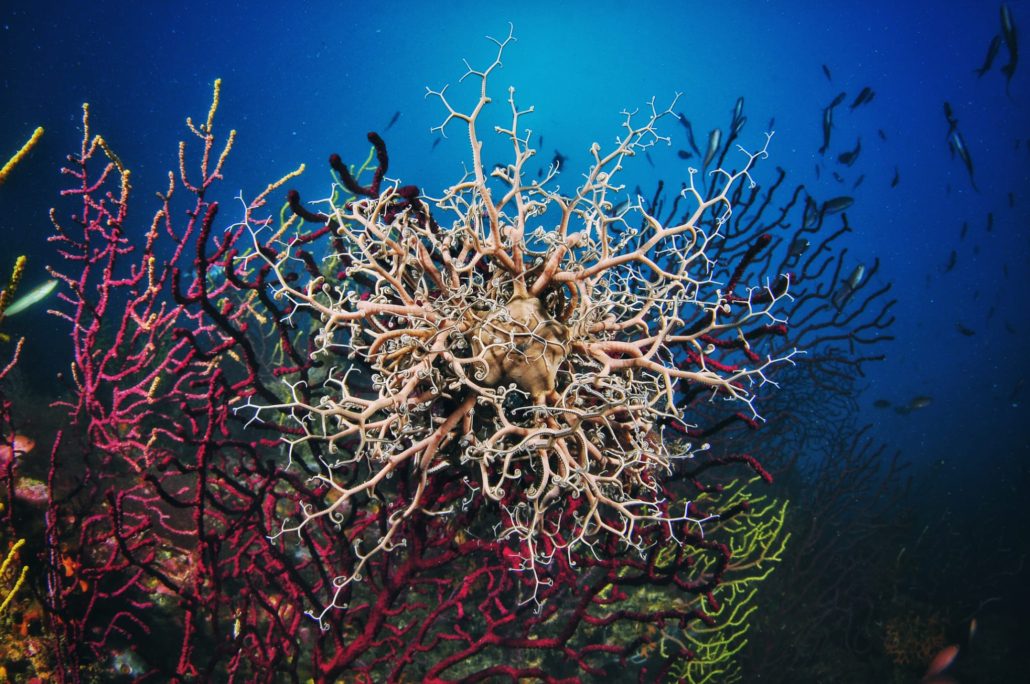
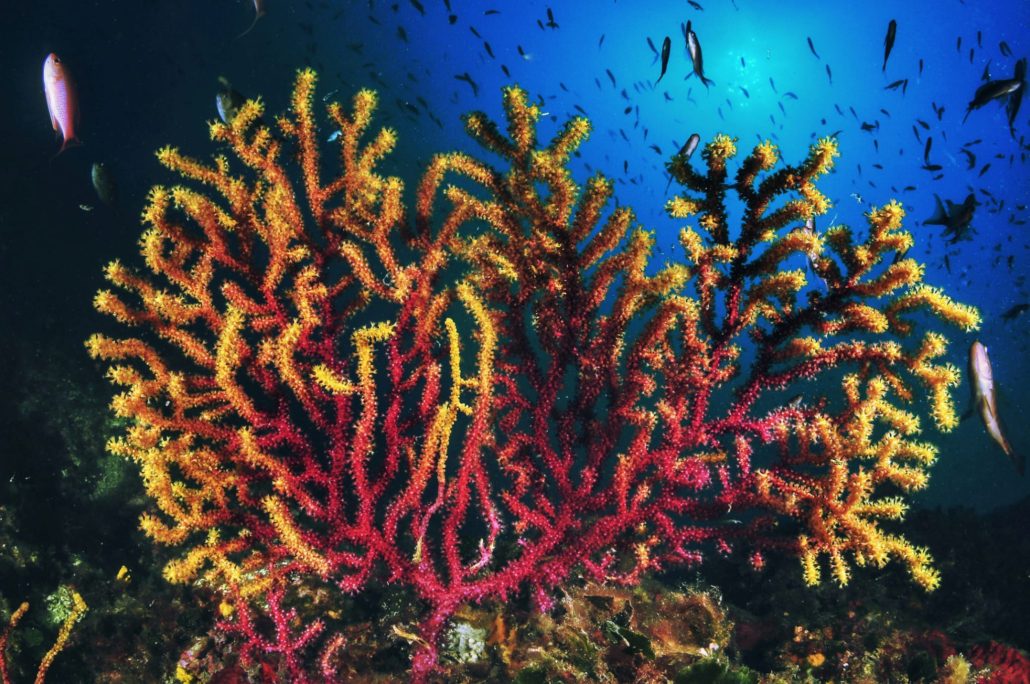
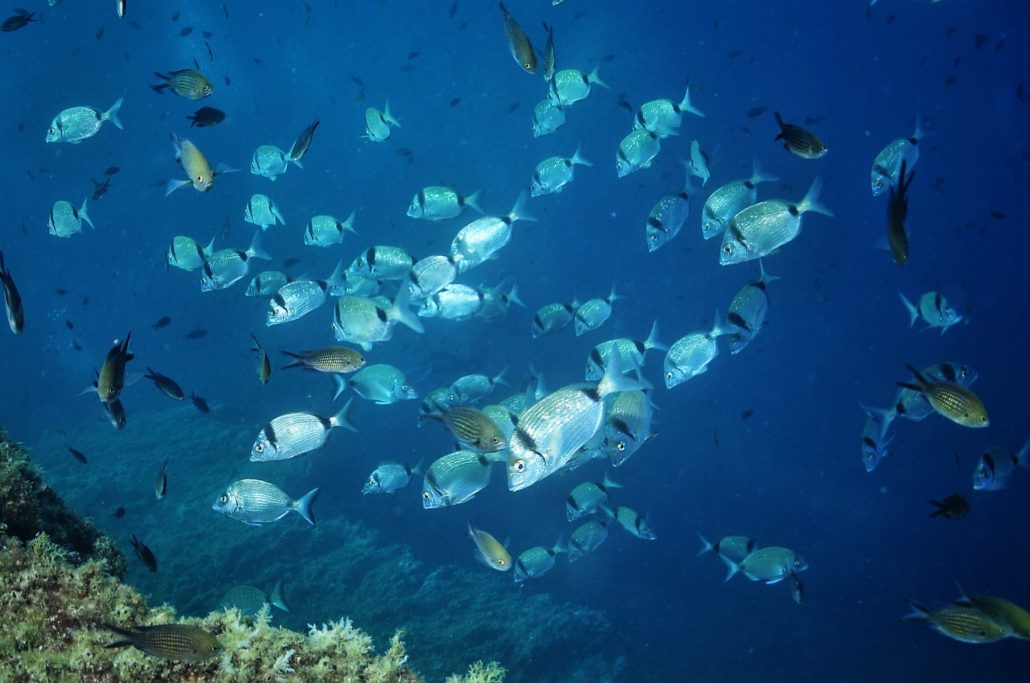
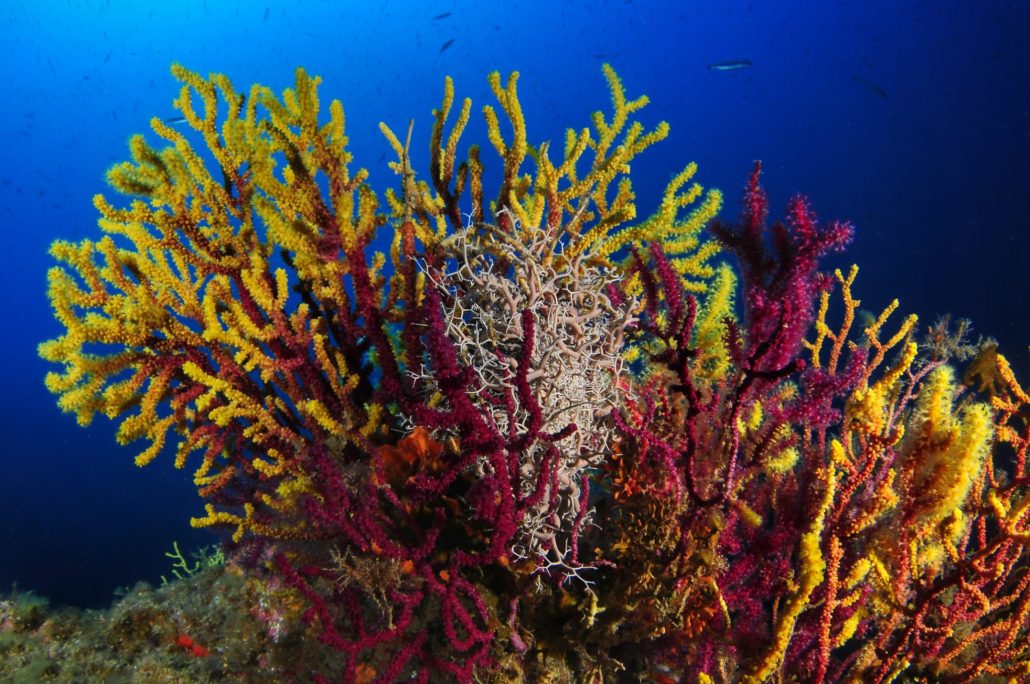
Sculpted by the Tramuntana wind, this area of stunning beauty is home to wild coves with an extraordinarily well-preserved natural wealth. Beneath the surface, a fascinating underwater world comes to life, with varied landscapes: a coralline bottom, walls covered with gorgonians, posidonia meadows, rocks colonised by sponges and anemones and a varied Mediterranean fauna, including groupers, lobsters, moray eels, octopuses, scorpionfish and a multitude of nudibranchs.
Description: Located on the border with France, this dive site is protected from the Tramuntana winds, making it ideal for diving in calmer waters. Its rock formations reach depths of between 2m and 2m, where a rich variety of marine life can be observed: nudibranchs, crustaceans, moray eels and octopuses, among others. It is also one of the favourite places for night diving, offering a fascinating experience under the moonlight.
Dive type: Underwater wall/cliff, Sandbank, Macro photo, Night
Level: Beginner, Advanced
Description: This site offers diving at depths ranging from 15m to 25m. It is also home to a rich variety of crustaceans, as well as scorpionfish, moray eels and octopuses. All of this makes this dive a little-known place, full of possibilities to discover.
Dive type: Underwater wall/cliff, Sandbank, Macro photo, Night
Level: Beginner, Advanced
Description: This less frequented dive site is the perfect choice when the weather forces us to repeat dives due to the Tramuntana wind. With depths ranging from 15m to 25m, the various rock formations spread across the sandy bottom, creating a captivating environment for divers. This dive provides a unique opportunity to explore a lesser-known corner of the North, full of surprises and discoveries on every dive.
Dive type: Underwater wall/cliff, Sandbank, Macro photo
Level: Beginner, Advanced
Description: This dive site, ideal for first-time diving, offers ideal conditions for those who are just starting out in diving. With depths ranging from 2m to 2m, its extensive area of coralligenous on a sandy bottom creates a controlled environment protected from the wind. The area is full of marine life, with abundant microfauna, crustaceans and octopuses, guaranteeing an enriching diving experience full of discoveries.
Dive type: Underwater wall/cliff, Sandbank, Macro photo
Level: Beginner, Advanced
Description: Anchoring with buoys managed by the Cap de Creus Natural Park. This diving spot ranges from 8 m to 40 m deep and has a wall full of multicoloured gorgonians, red coral, octopus and lobsters. You will also find corridors and caves, ideal for testing your buoyancy control.
Dive type: Underwater wall/cliff, Cave, Macro photo
Level: Beginner, Advanced
Description: Anchoring in buoys in the Cap de Creus Natural Park. With depths of between 5m and 28m, this sandy bottom area is the habitat of rays, quaking fish, sea snakes, spider fish and sea pineapples.
Dive type: Underwater wall/cliff, Cave, Macro photo
Level: Beginner, Advanced
Description: Buoy anchoring in the Cap de Creus Natural Park. In front of Cala Galera and Cala Talabre, this rock formation in the bay of Golfet, north of Cap de Creus, offers a dive between 18 m and 45 m, with formations full of gorgonians, red coral, barracudas, nudibranchs and sea newts.
Type of dive: Rock, Sand, Posidonia, Wreck, Macro photo
Level: Beginner, Advanced
Description: Buoy anchoring in the Cap de Creus Natural Park. A diving spot exposed to the wind and current, formed by underwater mountains with gorgonian walls that descend to 40 m.
Dive Type: Pinnacle, Macro Photo, Wide Angle Photo
Level: Beginner, Advanced
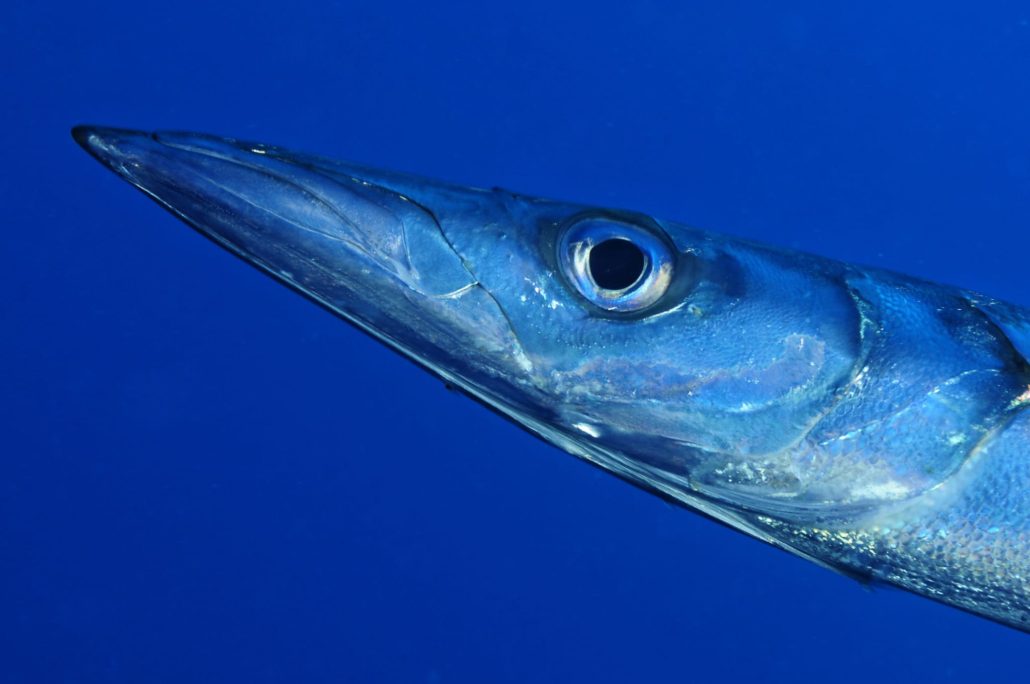
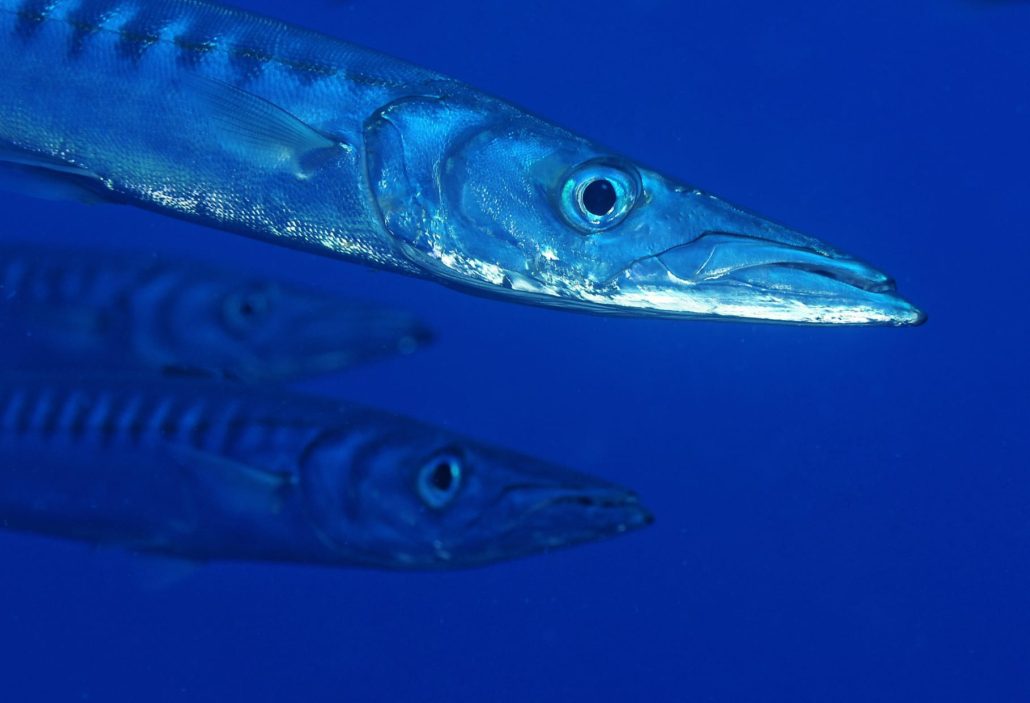
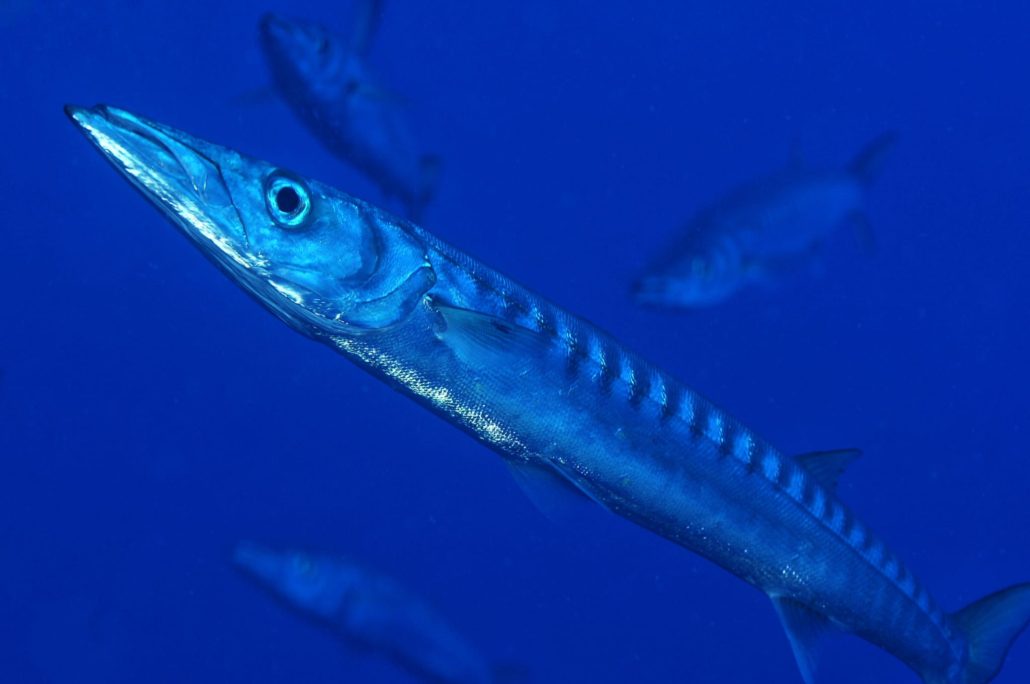
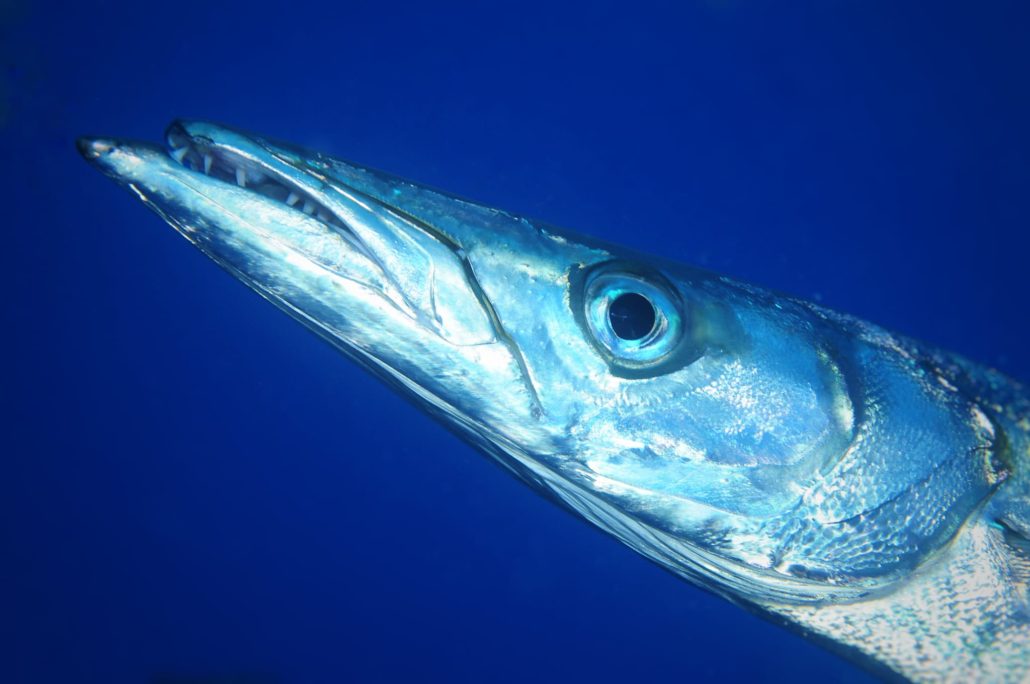
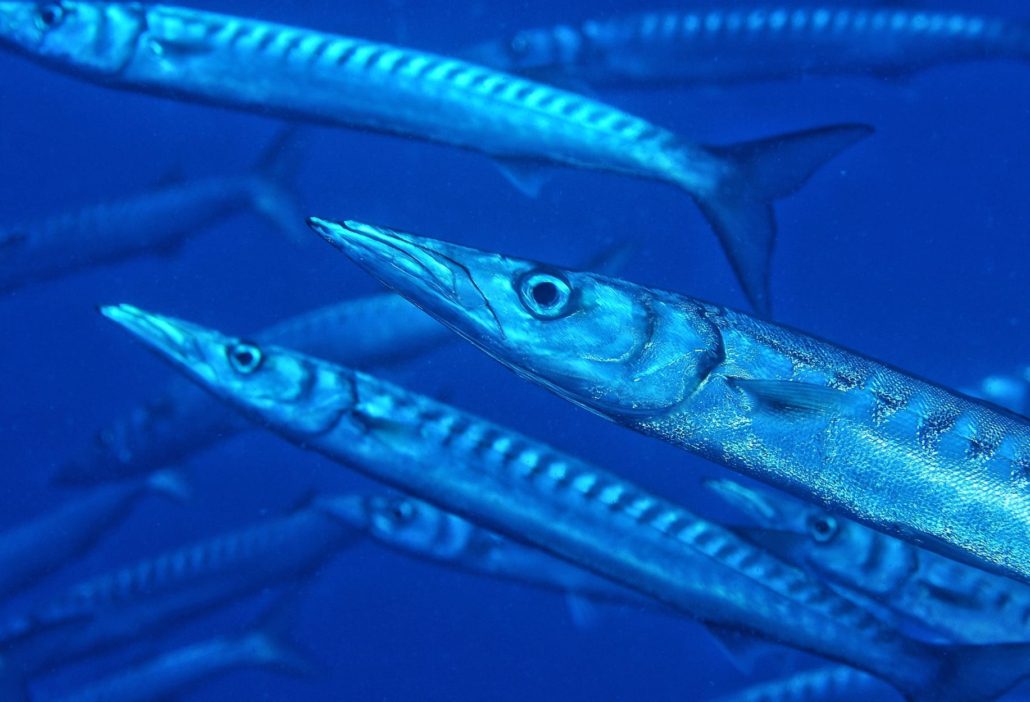
Description: Farallons are rocky peaks that emerge between which you can zigzag at a shallow depth at the end of the dive. A few meters away you will find rocky bars from 13 to 50 meters deep, which are home to a great variety of fauna: gorgonians, groupers, schools of barracuda. It is possible to observe tuna, bonito and sunfish.
Type of dive: Rock Wall, Wide Angle Photo
Level: Beginner, Advanced
Description: Anchoring in buoys in the Cap de Creus Natural Park. With depths ranging from 12 m to 60 m, this dive stands out for its vertical pinnacles covered with red gorgonians, where groupers and schools of barracudas are also found. It is an interesting spot for macro life and curiously houses remains of old ship cannons.
Dive Type: Pinnacle, Macro Photo, Wide Angle Photo
Level: Beginner, Advanced, Expert
Description: Buoy anchoring in the Creus CaP Natural Park. This is a quiet and wind-protected spot, ideal for divers of all levels, with walls ranging from 18m to 30m and an interesting diversity of macro life.
Dive type: Underwater wall/cliff, Macro photo
Level: Beginner, Advanced
Description: Anchoring in buoys in the Cap de Creus Natural Park. On this dive, between 20 and 40 m deep, you can explore canyons full of gorgonians and find species such as grouper, dentex and an abundant life of gorgonians.
Dive Type: Underwater Wall/Cliff, Macro Photo, Wide Angle Photo
Level: Beginner, Advanced
Description: Anchoring in buoys in the Cap de Creus Natural Park. This site, protected from the Tramuntana wind, is characterised by its rock formations and its wealth of macro life.
Dive Type: Underwater Wall/Cliff, Macro Photo, Wide Angle Photo
Level: Beginner, Advanced
Description: Buoy anchoring in the Cap de Creus Natural Park. This dive site, with depths of between 20m and 40m near Massa d’Or, is ideal for seeing species such as grouper and scorpionfish.
Dive Type: Pinnacle, Macro Photo, Wide Angle Photo
Level: Beginner, Advanced, Expert
Description: This is the easternmost dive site in the Cap de Creus Natural Park and it is therefore common to find currents in this area. The relief is made up of a rocky bar and large blocks from 5 to 40 m deep. The Massa d’Or is probably the most spectacular site in the area due to the abundance of species that can be observed such as groupers, barracudas, dentex, moray eels, gorgonians, etc.
Dive Type: Underwater Wall/Cliff, Underwater Mount, Drift Diving, Wide Angle Photo
Level: Advanced, Expert
1-4 dives
Minimum 10 pax
Full team