Diving in a natural and exclusive environment

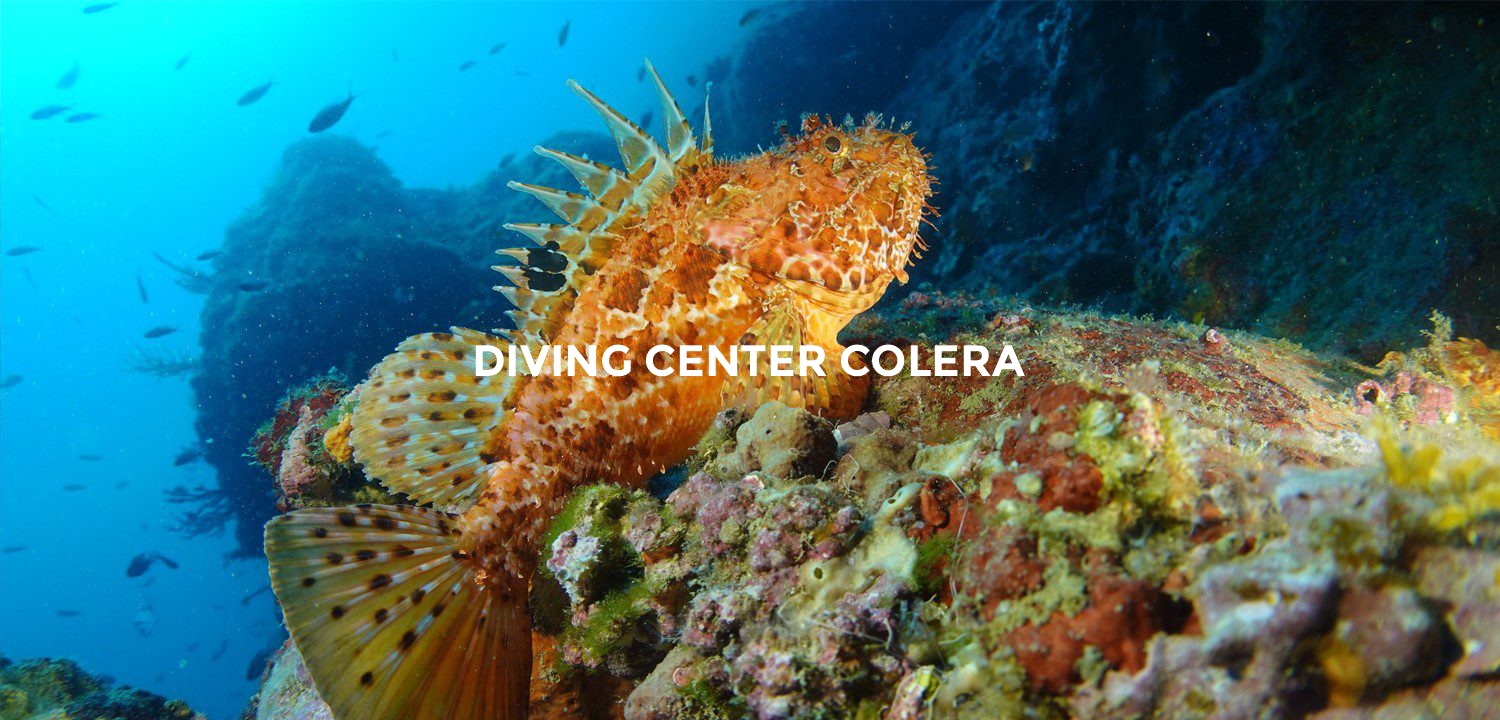
A wide variety of dives in a preserved area.

Comfortable and practical facilities

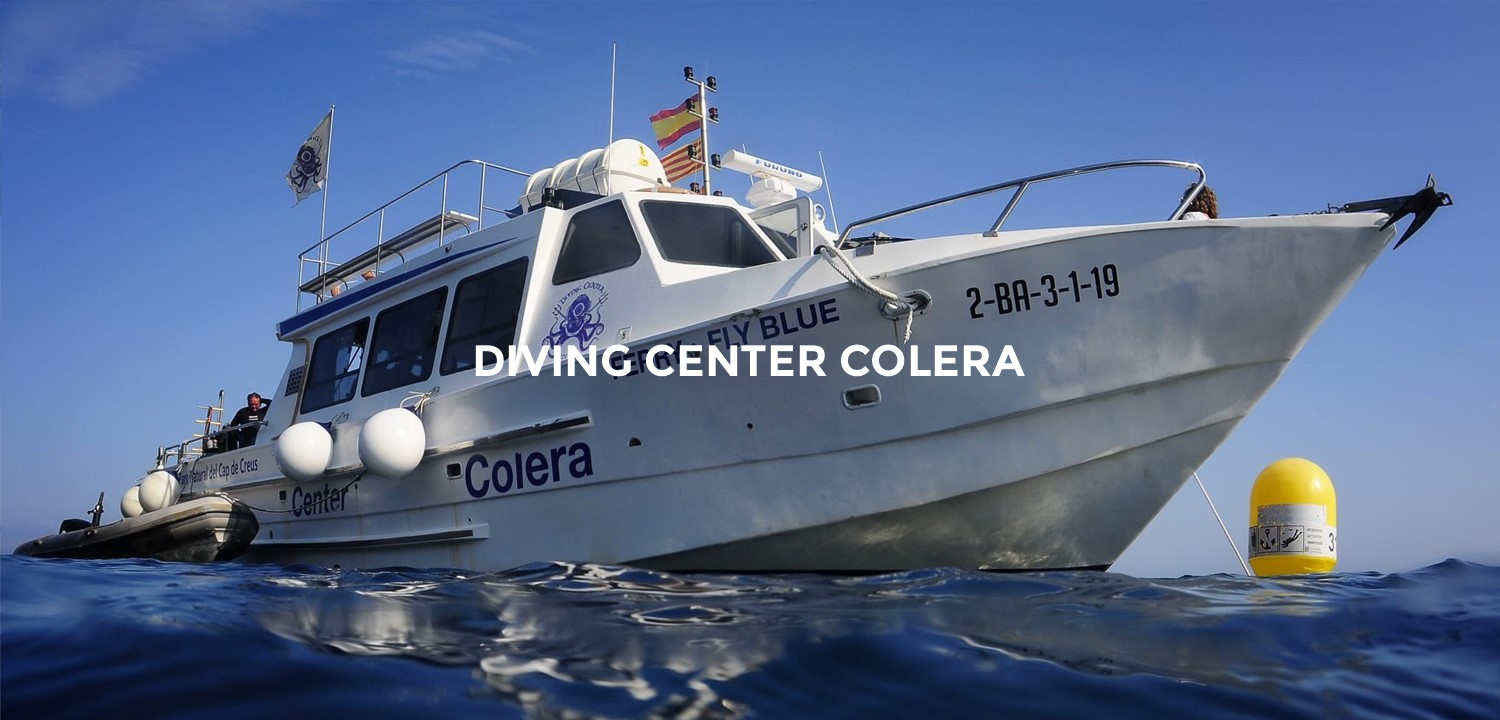
Elevator on board, suit dryer, trucks for transporting equipment… everything is designed to ensure you enjoy a relaxing stay.

Book everything with one click

A contact to facilitate the organization of a tailor-made holiday: diving, accommodation, meals…

Alt Empordà

Welcome to the Diving Center Colera

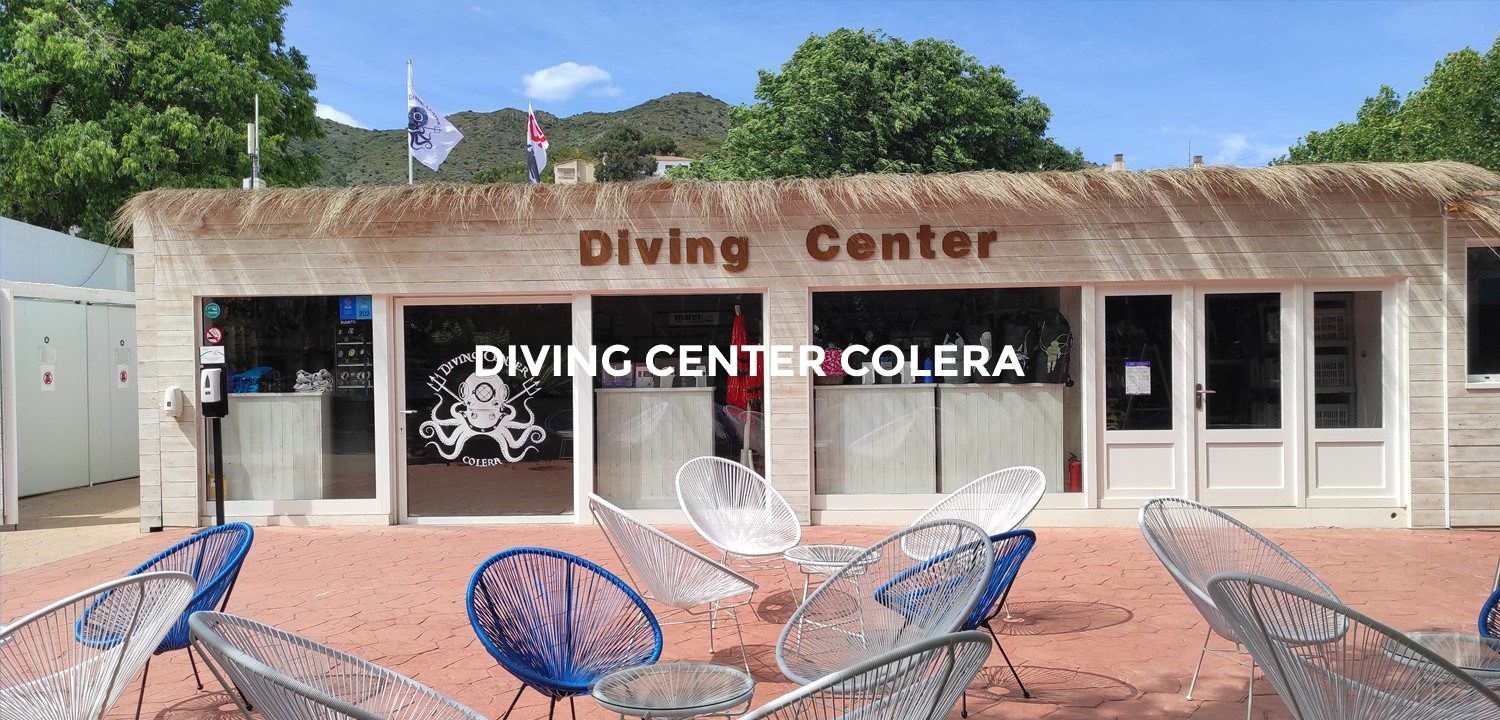
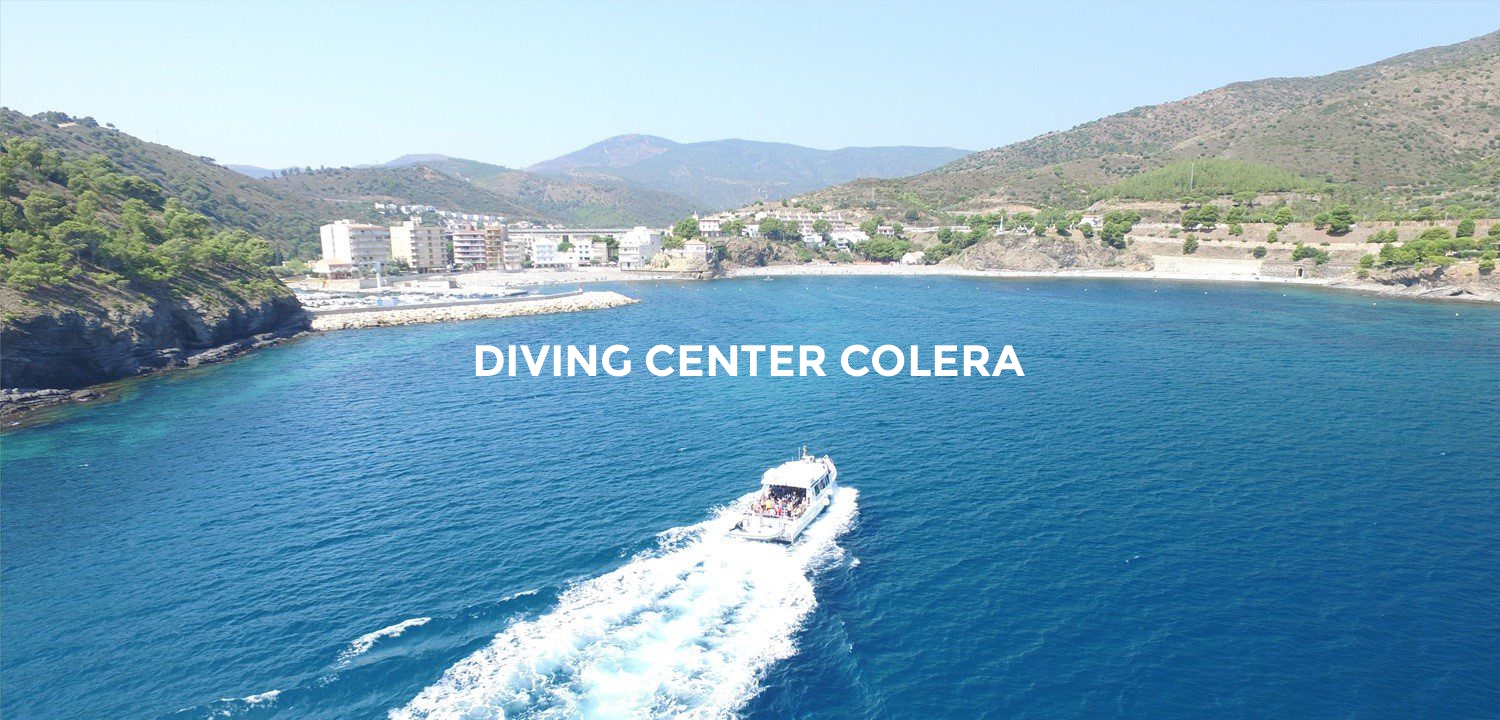
Located in the small town of Colera, north of the Costa Brava, the Diving Center Colera is located within the facilities of Camping Sant Miquel. This center has the recognition of the Generalitat de Catalunya and is distinguished by offering comfortable and efficient logistics, which guarantees safe and unforgettable dives.

Its modern facilities are ideal for enjoying the spectacular depths of the Mar d’Amunt. The centre provides access to some of the most impressive dives on the Costa Brava Nord, including the Cap de Creus Natural Park, renowned for its unique biodiversity. Divers can also explore the waters south of the Côte Vermeille and enjoy the Banyuls-Cerbère Marine Reserve. For days when the Tramuntana is strong, the protected area of ​​fishing interest between Colera and Portbou ensures that you don’t miss a day of diving.

One of the advantages of our centre is its location within Camping Sant Miquel, which gives diving enthusiasts the opportunity to enjoy this activity just a few steps from the accommodation.

In short, Diving Center Colera is the perfect place for those looking to immerse themselves in the underwater wonders of the Costa Brava, combining comfort, safety and a wide range of high-quality dives.
We protect what we love!

Marine species are sensitive!

Let’s adopt responsible behavior to limit our impact.

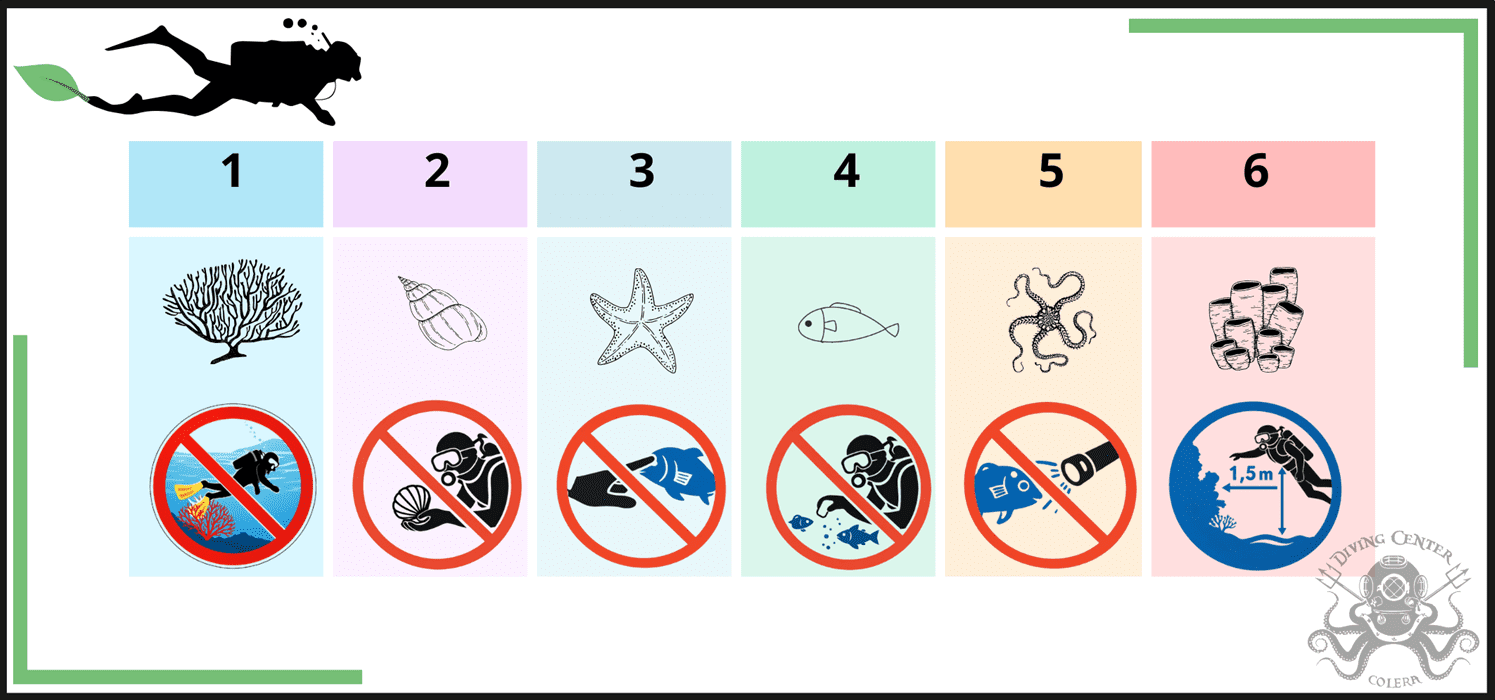
These species form colonies of animals with a fragile structure and slow growth. They act as ecosystem engineers, creating habitats that provide shelter and support for many other marine organisms. They are therefore essential for the biodiversity of the seabed.

Good practices:
We monitor the position of our fins, secure our equipment properly and control our buoyancy to avoid any contact with the seabed or with these species.

Empty shells, sea urchin tests and crustacean molts, although they no longer belong to a living animal, remain very important in the marine ecosystem.

They can serve as shelter for other animals (such as hermit crabs), as a substrate for algae and other organisms, and as they break down and degrade they contribute to the recycling of nutrients and minerals in the ecosystem. This is part of the natural cycle of organisms that produce shells or calcium carbonate exoskeletons, whose availability may be affected by processes such as ocean acidification.

Good practices:
We do not take anything from the sea and we do not buy souvenirs made from shells, corals or animal remains.

Many marine animals are very sensitive to human contact. Some fish, such as groupers, have a protective mucus layer on their skin that protects them from infections and parasites. Touching them can damage this protection.

Handling animals to observe or photograph them causes stress, which can alter their natural behavior. In some cases they may stop carrying out essential activities such as feeding or reproducing.

Other organisms, such as feather duster worms or Bonellia, retract when we get too close in order to protect themselves. Extending again requires significant energy expenditure.

Good practices:
We avoid any physical contact with fauna and flora..

Feeding fish or other animals alters their natural behavior and can modify the balance of the ecosystem. When they consume food that is not part of their usual diet, the trophic chain can be disturbed.

In addition, this type of food can cause health problems for both the animals and the marine environment. Repeated feeding by people can also create dependency and behavioral changes.

Good practices:
We do not feed animals and we do not throw anything into the water, not even organic waste.

Some species, such as brittle stars (for example Astrospartus mediterraneus), are very sensitive to light.

Shining a flashlight directly on them or using a camera flash can cause stress, disorientation and disturbances in their natural behavior and rhythm. We should also avoid directing light directly into animals’ eyes.

Good practices:
We control where we point our flashlight and limit the use of camera flash.

Filter-feeding animals breathe and feed by filtering particles from the water. An increase in turbidity, for example due to suspended sediment caused by fin kicks near the seabed, can negatively affect them and may even suffocate them.

For this reason, it is essential to avoid stirring up sediment and to minimize any disturbance to benthic habitats.

Good practices:
Always maintain a minimum distance of 1.5 m from the seabed and walls, and control buoyancy.

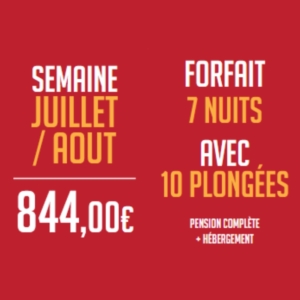
SUMMER PROMOTION 2026

Special offer for groups (≥10 divers) summer 2026:

Package of 6, 8 and 10 dives + accommodation + full board.

We adapt the package to your needs.

Contact us for a personalized quote.


Don’t miss any updates!

Join our mailing list

1 + 1 = ?

×